

.svg)
A New Global Standard for Food Loss and Waste: What It Means for Canada
September 29, 2026

September 29, 2026
On September 29, 2026, the International Organization for Standardization (ISO) published ISO 20001 Food loss and waste management system — Requirements for the prevention and minimization of food loss and waste across the food supply chain.
This is the first dedicated ISO standard focused specifically on food loss and waste (FLW). It is designed to help organizations across the food supply chain prevent, measure and reduce FLW.
Developed by ISO Technical Committee ISO/TC 34, Food products, Subcommittee SC 20, Food loss and waste, the standard establishes requirements for organizations to create, implement, maintain and continually improve a food loss and waste management system.
It is intended to apply across the food supply chain, regardless of an organization’s size or activities, including producers, manufacturers, distributors, retailers, foodservice organizations, food charities and food-waste management services.
As Canada’s largest food rescue organization and a Canadian participant in the ISO technical committee responsible for developing the standard, Second Harvest is pleased to see this important milestone. It marks a critical shift toward a food system where waste is not treated as an inevitable byproduct, but a solvable inefficiency.
One of the world’s leading international non-governmental organizations, ISO is the body behind over 26,000 international standards, from shipping container sizes to food safety management processes.
Standards establish the best way of doing something, whether it’s making a product, managing a process or delivering a service. They help to create a common understanding, making it easier for organizations to collaborate and compare results.
ISO standards go through a series of stages, including working drafts, committee review, consultation and voting before publication. The process is designed to build international consensus, giving experts, national standards bodies and other stakeholders opportunities to contribute their knowledge and experience.
While ISO standards are not mandatory, governments, businesses and other organizations can choose to adopt them in their policies, procurement contracts and regulations.
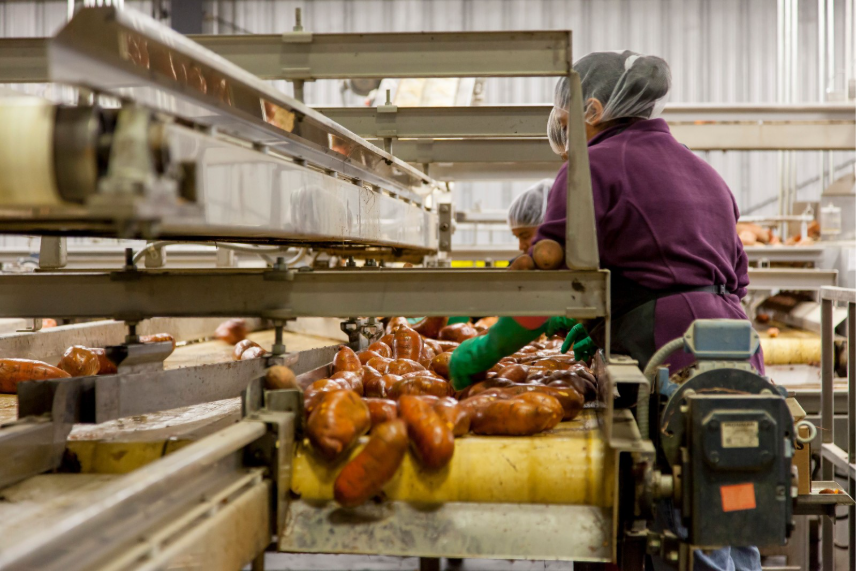
ISO 20001 is a management-system standard focused specifically on FLW. It provides organizations across the food supply chain, from farms and manufacturers to retailers and foodservice operators, with a common framework to measure and minimize food loss and waste, while documenting, monitoring, improving and reporting on their efforts.
The standard also establishes common terminology and definitions to support greater consistency in how food loss and waste are understood, measured and addressed.
More importantly, it positions FLW management as a strategic decision that could help organizations achieve financial benefits and social impact, as well as reduce pressure on climate and natural resources.
The standard is built around a principle-based framework that prioritizes prevention at source. When surplus occurs, it prioritizes keeping food for human consumption, including the redistribution of safe surplus food, before considering uses such as animal feed, materials and nutrients, energy and ultimately, disposal.
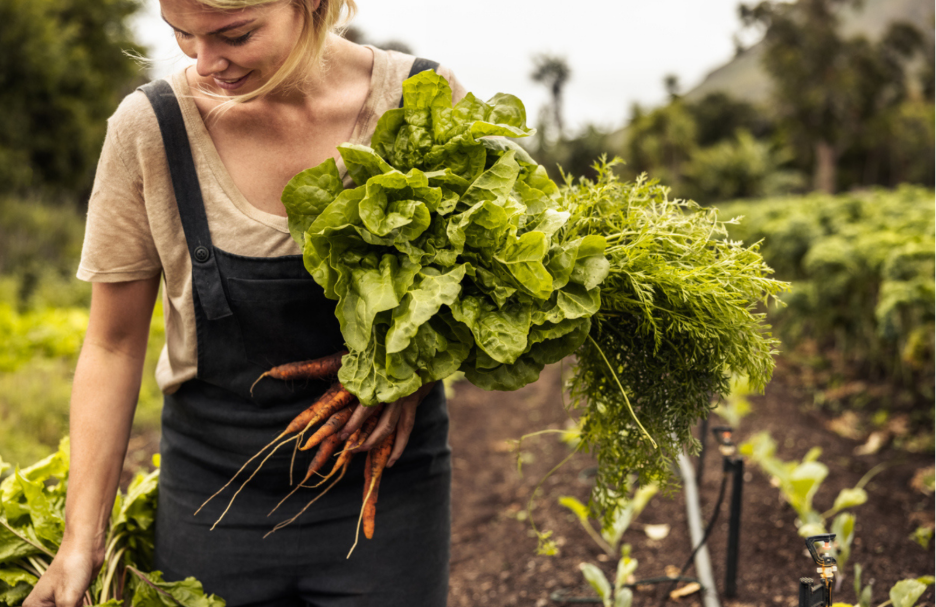
Every year, Canada wastes nearly half of its food, of which over 8 million tonnes — valued at $58 billion — could be redirected to support communities. At a time when nearly 1 in 4 Canadians face food insecurity, this is perfectly good food we cannot afford to lose.
Food waste is not caused by one issue or one part of the food system. It is the result of interconnected decisions and challenges across the supply chain, and solving it requires a coordinated, systems approach.
ISO 20001 provides organizations with a common framework to integrate food waste management into their operations, rather than treating it as a one-time initiative.
Once a management system is in place, organizations can establish objectives, identify FLW hotspots, set up a measurement process at each point, take corrective actions and monitor their effectiveness over time for continual improvement.
Examples of appropriate measuring methods include direct mass or volume weighing, visual estimation, mass balance, waste audits, diaries, interviews and surveys, business records and proxy data.
Better measurement helps businesses pinpoint where food is being lost and why, while giving governments and other stakeholders the data to inform policies, investments and targets.
For a country as large as Canada, with a food system spanning thousands of businesses and organizations across vast geography, having a shared framework and language for addressing food loss and waste is especially valuable.
ISO 20001 also brings the charitable food sector within its scope. This reflects something we see every day: food rescue is how the food system can respond to surplus food to ensure it can reach people instead of landfills.
With the introduction of ISO 20001, Canada has an opportunity to build greater consistency and accountability across the food system, moving closer to a future where food waste is treated not as an inevitable byproduct, but as a problem we can prevent and solve.


