

.svg)
4 Ways to Talk About Food Waste with Kids
September 11, 2026

September 11, 2026
Food waste is a complex issue, but talking about it with kids doesn’t have to be. Second Harvest offers a variety of fun, interactive games and challenges that parents can use to educate their kids about food waste.
As September gets underway, a half-eaten sandwich, a spotty banana or leftovers at a school lunch can open the door to bigger questions about where our food comes from, how it moves through the food system and what happens when it goes uneaten.
Here are four questions to help get the conversation started.
Pick one item from lunch and trace its journey. An apple, for example, started on a farm. It was grown, harvested, packed, transported to the store and eventually made its way to us.
This simple exercise can help kids see that food is connected to natural resources, farmers, food businesses, transportation and the people who work at every step of the journey. It also makes an important point: when food is wasted, so are the land, water, energy, labour and other resources that went into producing it.

Give kids the chance to play detective!
Did you take more food than you could eat? Did you decide you didn't like the food? Did the food get squished or spoiled? Was there not enough time to eat? Or did a date on the packaging make someone think the food was no longer safe to eat?
There are many reasons perfectly good food can go uneaten, and understanding why food is wasted is an important first step toward preventing it. For example, learning the difference between best before dates and expiry dates can help families make informed decisions and avoid throwing away food unnecessarily.
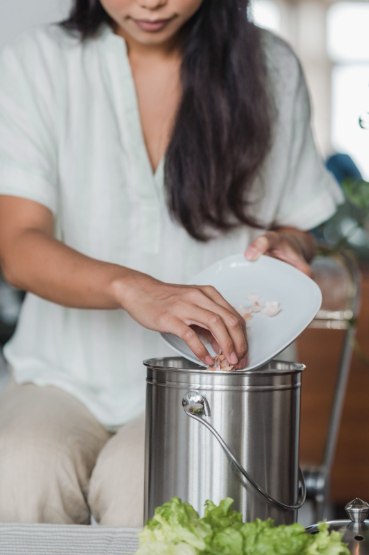
When food ends up in the garbage, its journey doesn't end there. As food waste breaks down in landfills, it produces methane, a powerful greenhouse gas that contributes to climate change. That, in turn, leads to more unpredictable weather patterns, which affect growing seasons for farmers and the environment we all share.
When we throw away perfectly good food, we also lose the opportunity to get it to the people that could use it. Food that is still good to eat but no longer wanted or sellable can be redirected through food rescue.
The goal isn't to have the perfect answer. It's to encourage kids to ask questions, investigate problems and think creatively about solutions. It could be finding a better way to store fresh fruits and vegetables, taking only what you can eat or learning new recipes to repurpose leftovers.
These conversations can start at the kitchen table or in the school cafeteria, but they don't have to stop there.
In September, Agriculture in the Classroom Canada and Second Harvest partnered to launch a new Food Waste Quest as part of Mission Explorium, a national inquiry-based program for Grades 6–8 students to explore Canada’s food system through hands-on, curriculum-aligned Quests.
Offered in English and French, existing quests allow students to investigate Ecosystems, Agriculture, Food and Culture, with the Food Waste quest inviting them to explore the causes and impacts of food waste and to design innovative, real-world solutions that contribute to a more sustainable future. Students will have the opportunity to shape what comes next.
Learn more about Mission Explorium and share this free program with an educator today.


