

.svg)
Hunger Is Closer Than You Think. So Is Community.
August 31, 2026

August 31, 2026
Hunger is closer than you think, but it isn’t always visible.
In Canada, one in four people don’t know where next meal will come from. It could be a senior trying to stretch their monthly fixed income further, a kid going to school without breakfast, a working parent choosing between rent and groceries, or someone who just needs a little help to tide them over until the next paycheck comes. It could be someone you know: a friend, a neighbour, a coworker.
This Hunger Action Month, Second Harvest is celebrating the thousands of non-profits we work with across the country, each of them shaped by the specific needs of the people they serve. What connects them all is a belief in the power of food rescue and a commitment to showing up every day for their communities.
At Siloam Mission in Winnipeg, people seeking food support come from all walks of life, and about one-third of those accessing its drop-in services are housed.
“Community members come to Siloam from all over,” Margot Ross, senior manager of development, said.
She explained that the reasons people seek support are as varied as their stories, from a young person recently aging out of child welfare and facing the world on their own, to a senior at risk of losing their savings to an online scam.
“Life just happened. It’s all of us,” she added.
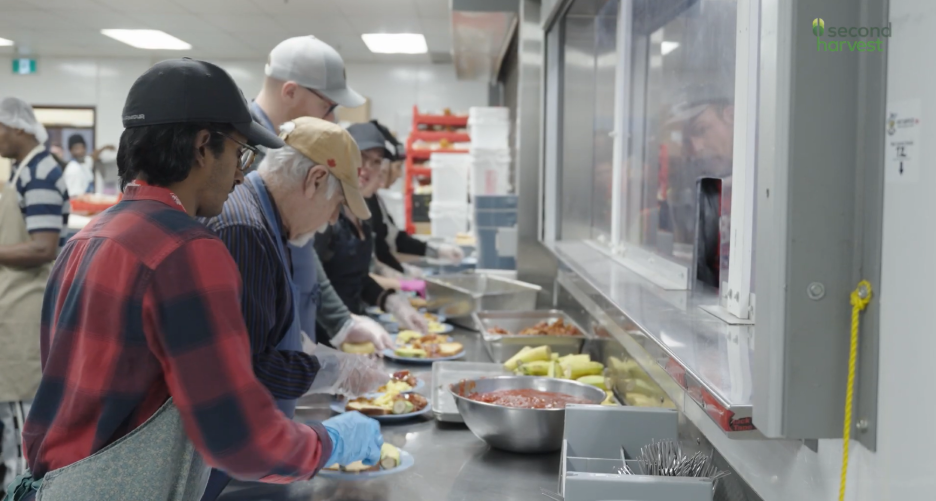
In Newfoundland and Labrador, the Single Parent Association of Newfoundland and Labrador (SPANL) is seeing more parents who are employed but still cannot afford their family's needs. Recent data found that 45.8 per cent of single-parent families in the province experienced food insecurity in 2025 — the highest rate of any household type.
"Hunger doesn't discriminate against people," said executive director Danielle Seward. "The majority of clients who access our food bank never thought they were going to be hungry."
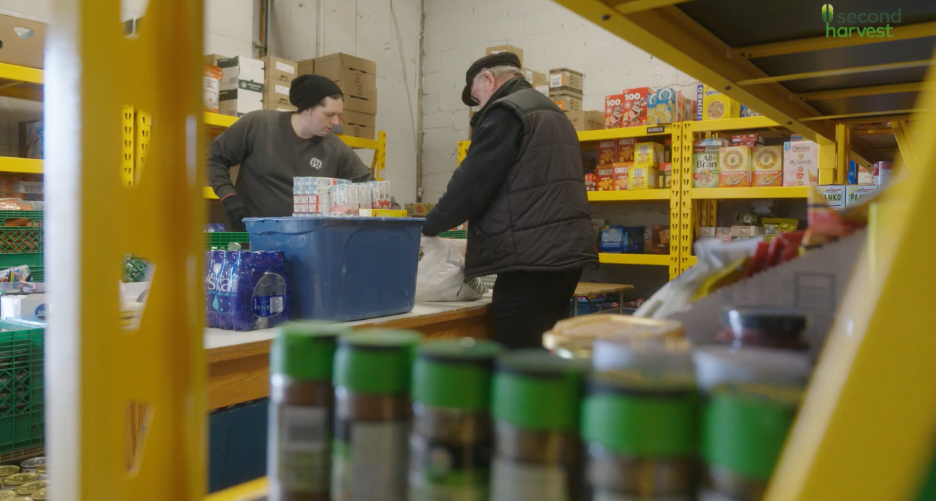
Base Gatineau in Quebec also experiences a significant shift in need for food support. There are now more working families, retirees, individuals navigating the financial strain of separation or divorce. A growing number of newcomers are turning to food banks, often facing delays in employment, barriers to credit and challenges securing stable housing.
As the need grows, community organizations are finding new ways to meet people where they are, extending the reach and impact of food rescue.
Alternative Residences Alternatives (ARA) provides community-based housing for adults living with mental illness in Moncton. Biweekly deliveries of rescued food — over 137,000 lbs since the partnership began in 2020 — mean residents eat better and staff can put more resources into nutrition workshops, cooking lessons and other programs.
"People eat better food. That's a benefit I don't think people fully understand," said executive director Alan Pendergast.
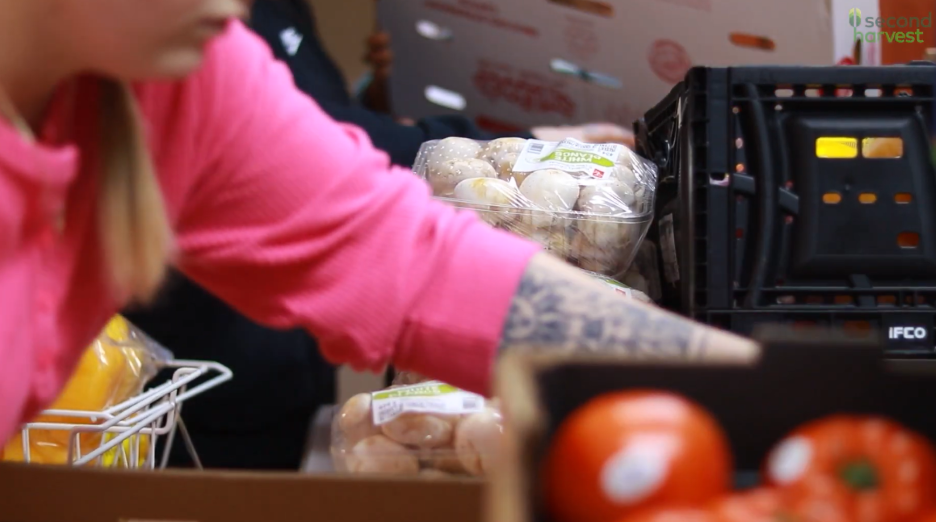
The Centre for Immigrant and Community Services (CICS) began its food program in 2020 as a response to urgent need. Today, food access is integrated into its broader work supporting more than 20,000 people each year across the Greater Toronto Area. Its program offers culturally appropriate foods, including halal and vegetarian options, while connecting people through gardening and workshops.
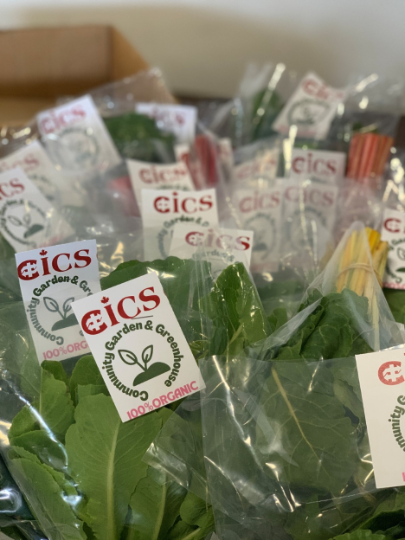
At the Calgary Dream Centre, staff transform rescued food into hundreds of nutritious meals every day. For residents in its addiction recovery program, each warm, healthy meal is a step toward restoring dignity and rebuilding lives. The centre also provides transitional housing and vocational training to help people get back on their feet.
“We're about people and people need nourishment to be able to address the challenges that they're facing,” said Craig Hill, CEO. “And if we did not have this impact, it would take our energies into a direction that is misapplied.”
Join Second Harvest in rescuing food and redistributing it to communities across Canada this Hunger Action Month. Whether you’re donating surplus food, making a financial contribution or volunteering your time, every action matters.
Your support helps us get food to community organizations that know their neighbours best, from family resource centres and newcomer organizations to housing providers, Indigenous communities and food banks.
Hunger is closer than you think. Take action now.


